Ocean Seashell Embroidery Design Review
As an experienced embroidery designer who spends every weekend prepping for craft fairs, I know that the difference between a booth item that gathers dust and one that sells out lies in the details. When I first encountered the Ocean Seashell Embroidery Design, my immediate thought was not just about the file itself, but how it would translate to a physical product on a crowded table. In the world of handmade goods, visual impact is everything. This review breaks down exactly where this design fits, what products make it shine, and the practical realities of turning this digital asset into a profitable line.
The First Impression: Coastal Charm Meets Market Ready
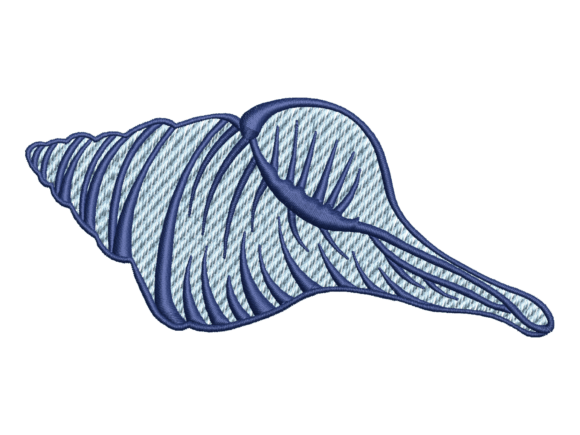
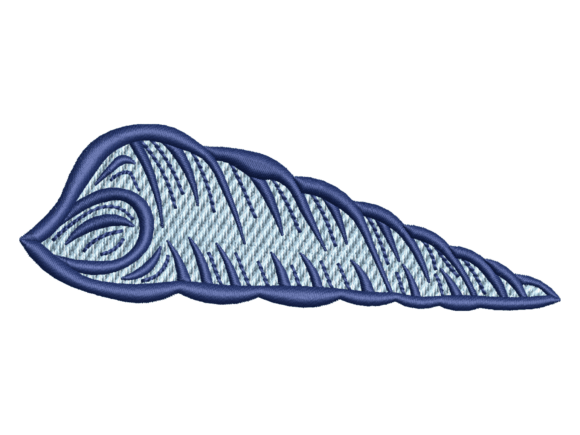
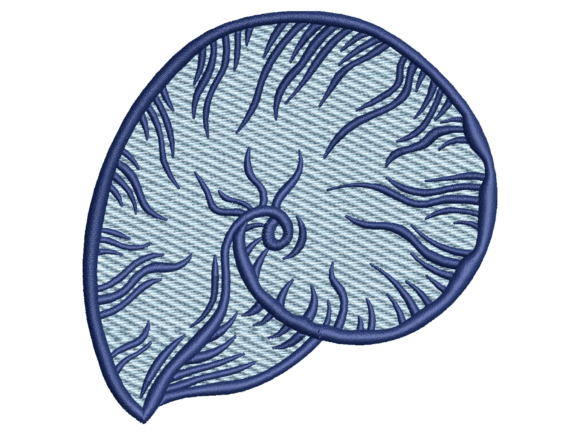
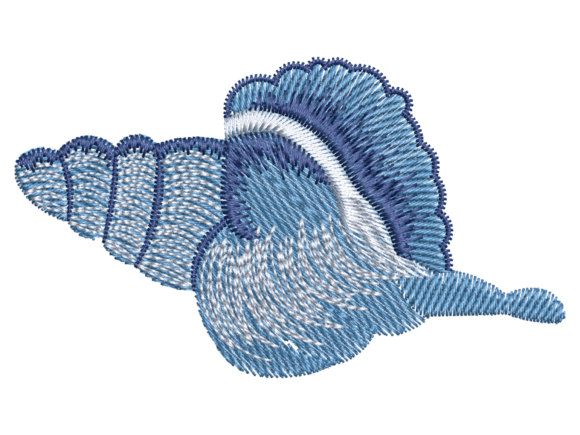
Based on the title alone, Ocean Seashell Embroidery Design evokes a sense of coastal calm and natural beauty. It feels soft, decorative, and undeniably summery. For a craft fair seller, this is a goldmine because it appeals to a broad audience looking for beachy vibes without being overly specific or niche. It isn't loud or aggressive; instead, it offers a premium, rustic elegance that works beautifully with farmhouse aesthetics or modern minimalist styles. Whether you are selling tote bags or tea towels, this design promises to add a touch of artisanal quality that customers can see and feel immediately.
The category placement under Animals suggests a focus on nature-inspired motifs, which are perennially popular among buyers who appreciate handcrafted items. The design likely captures the intricate curves and textures found in seashells, making it a perfect candidate for creating a focal point on various textiles. When hanging a display at a market, customers are drawn to items that tell a story. A seashell design whispers tales of summer vacations, beachcombing, and relaxed living, instantly connecting with the buyer's emotional desire for escape.
Product Potential: Where Ocean Seashell Embroidery Design Shines
Imagine setting up your booth with a mix of functional and giftable items. The versatility of the Ocean Seashell Embroidery Design allows it to stand out across multiple product categories. On a sturdy canvas tote bag, the design acts as a chic accent that elevates a basic accessory into a statement piece. It photographs exceptionally well for Etsy listings, where clear imagery is crucial for online sales.
For kitchen enthusiasts, applying this design to tea towel embroidery creates an instant bestseller. The organic shapes of shells contrast beautifully with the crisp lines of kitchen linens, adding a decorative flair to a utilitarian item. Similarly, apron embroidery featuring this motif brings a splash of color and personality to cooking gear, appealing to home cooks who want their tools to reflect their style. If you are targeting the gift market, small pouches and fabric bags embroidered with this design make thoughtful, low-cost presents that still feel luxurious.
Patches are another excellent avenue. An embroidered patch with the Ocean Seashell Embroidery Design can be ironed onto denim jackets, caps, or backpacks, offering a customizable element that customers love. Pillow covers allow the design to become a larger focal point, filling a space with texture and depth. Even for commercial embroidery projects, this design offers a high perceived value, allowing boutique makers to charge a premium for the added artistic touch. Whether you are creating printable mockups for your shop or producing finished products for a weekend fair, this design asset holds its own visually.
Production Realities: From Digital File to Finished Product
Before you rush to print your tags, there are critical production points to consider. The ease of understanding the design at a glance is vital for batch production. If the Ocean Seashell Embroidery Design has complex transitions, it may require more time per unit, affecting your profit margins. However, if it features clean lines and manageable stitch density, it becomes a workhorse for generating inventory quickly.
Photography plays a huge role in your success as an Etsy seller or digital seller. You need to ensure the thread colors pop against the fabric texture. A light blue shell on white linen looks different than a navy shell on beige canvas. To maximize visual appeal, test the design on scrap fabric before committing to your final product. Check the spacing carefully; a design that looks balanced in a hoop might look cramped when placed on the corner of a tote bag. Confirming the hoop size early prevents costly mistakes during production.
When evaluating the design for small shop products, consider the scale. Is it suitable as a small accent on a cap, or does it need to be a large focal design on a pillow cover? Understanding this distinction helps you target the right customer. For instance, a tiny detail might get lost on a curved cap surface, whereas a slightly bolder version would read clearly from a distance at a busy craft fair.
Careful-Use Notes and Technical Considerations
Not all designs are created equal, and knowing where they might fail is just as important as knowing where they succeed. Dense stitch areas can sometimes cause puckering, especially on thinner fabrics like standard t-shirts or lightweight tees. If the Ocean Seashell Embroidery Design includes tiny details or fine lettering, these elements may lose clarity if the design is resized too much. Always inspect stitch density to ensure the threads lay flat without bunching.
Fabric texture is another factor to watch. While textured towels add character, they can sometimes hide subtle shading in the design. Thick fabrics like heavy canvas or denim provide a sturdy base but may require a stronger stabilizer to support the weight of the stitches. Dark fabric requires careful thread selection; lighter thread colors might not show up well unless you use a dense underlay or a specific technique. Be mindful of designs that rely on negative space, as these can sometimes look muddy if the background fabric is too busy.
Designer's Checklist for Success
To ensure your Ocean Seashell Embroidery Design results in a professional finished product, follow these essential steps. First, always create at least one real mockup. Digital previews are helpful, but seeing the actual texture and sheen of the thread on fabric gives you the truest representation of the final result. Compare fabric colors side-by-side to find the best contrast for your brand consistency.
Review the file specifications carefully. Since digital embroidery files are delivered in ZIP or RAR format, ensure your software can open them correctly. Check the thread colors included in the file to see if they match your intended palette. Use the right stabilizer for your project; cut-away stabilizers are often best for stretchy fabrics, while tear-away works well for stable wovens. Finally, confirm commercial licensing before selling finished products. Understanding the terms of the license protects your business and ensures you have the legal right to manufacture and sell items made with this design.
In conclusion, the Ocean Seashell Embroidery Design offers a compelling opportunity for creative entrepreneurs looking to expand their craft fair offerings. Its coastal theme resonates with buyers seeking handmade products with a touch of nature. By paying attention to fabric choices, stabilizer types, and proper testing, you can transform this digital file into a collection of high-value items that stand out on any table. Whether you are selling via Etsy, running a boutique, or staffing a local market, this design has the potential to become a staple in your inventory, driving engagement and boosting sales through its timeless aesthetic.