Smiling Monkey Embroidery Design Review
As a professional embroidery designer who has spent years refining digital assets for commercial use, I approach every new file with a critical eye. When evaluating Smiling Monkey Embroidery Design, my focus shifts immediately from simple aesthetics to business viability. This isn't just about creating a cute image; it is about determining if this asset can withstand the rigors of production, hold up on various fabrics, and effectively communicate brand value to customers. In this review, I will break down how this design performs when applied to small business merchandise, branded patches, and custom apparel.
First Impressions: A Friendly Professional Asset
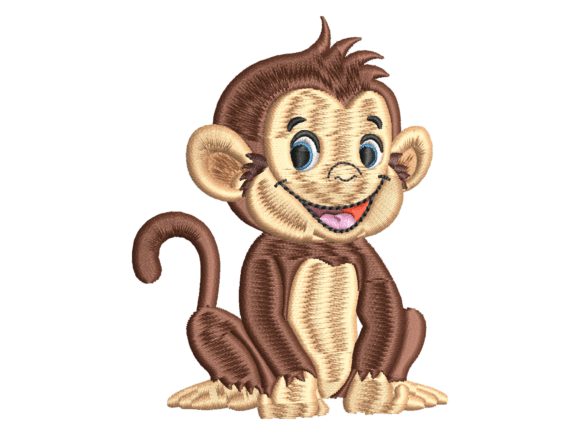
The moment you open the files associated with Smiling Monkey Embroidery Design, the visual personality jumps out. The title suggests a playful yet approachable character, which aligns perfectly with the current market trend toward "handmade" and "whimsical" branding. Unlike rigid corporate logos, this design feels organic and warm. It strikes a balance between being bold enough to be seen from a distance and detailed enough to convey quality upon closer inspection.
For brands looking to project an image that is both professional and accessible—such as bakeries, boutique florists, or creative studios—this design offers a distinct advantage. It avoids the coldness of vector graphics while maintaining the structural integrity required for machine embroidery. The character's expression invites engagement, making it an ideal candidate for customer-facing items where building a personal connection is crucial.
Real-World Application in Small Business Merchandise
Imagine a local café or a handmade soap shop wanting to launch a line of staff uniforms and promotional goods. How does Smiling Monkey Embroidery Design fit into this ecosystem? The versatility of this digital embroidery file makes it suitable for a wide array of applications.
- Embroidered Patches: One of the strongest use cases is creating iron-on or sew-on patches. For a craft business or a pet brand, a high-quality patch featuring this design adds a premium touch to tote bags or denim jackets. It serves as a badge of honor for employees and a collectible item for loyal customers.
- Apron Embroidery: In food service environments like bakeries or coffee shops, aprons are prime real estate. Placing Smiling Monkey Embroidery Design on the chest pocket or the bib creates an instant brand identifier. The friendly nature of the monkey softens the utilitarian look of workwear, making the staff appear more approachable to patrons.
- Cap Embroidery: For outdoor events, farmers markets, or pop-up shops, caps are essential. This design translates well to the curved surface of a baseball cap, acting as a memorable logo accent that catches the light and draws attention without being overly aggressive.
- Tote Bag Design: Tote bags are the ultimate marketing tool for Etsy sellers and product designers. A single, centered application of this design on a canvas bag turns a simple carry-all into a walking advertisement. It reinforces the brand identity every time the customer walks through a store or city street.
Furthermore, this design works beautifully as a product packaging accent. Adding a small embroidered detail to a gift box or a garment tag elevates the perceived value of the finished product. It signals to the buyer that care was taken in the creation process, fostering trust and encouraging repeat purchases.
Strategic Considerations for Specific Use Cases
While the design is versatile, there are specific scenarios where caution is required. Not every surface is created equal, and understanding the limitations of Smiling Monkey Embroidery Design is key to avoiding production headaches.
- Small Patch Sizes: If you intend to create very small patches (under 2 inches), you must carefully evaluate the stitch density. Complex details might merge together, losing the definition of the smile or the eyes. Always test the smallest intended size before mass production.
- Curved Surfaces: While caps are great, highly curved surfaces like beanies or fitted hats require expert hooping techniques. The design may distort if the fabric tension is not managed correctly around the curve.
- Detailed Outlines: Designs with fine lines can sometimes struggle on textured fabrics like heavy wool or bouclé. On these materials, the needle may skip stitches or the thread may not lay flat, compromising the visual consistency of the brand mark.
- Dark Uniforms: If your target audience uses dark-colored shirts or bags, ensure the thread colors chosen provide sufficient contrast. A light-colored monkey on a black background requires careful underlay selection to prevent the fabric texture from showing through.
Impact on Brand Identity and Customer Trust
In the world of commercial embroidery, the choice of design directly influences how a customer perceives your business. A poorly executed or generic design can make a brand look amateurish, whereas a well-chosen asset like Smiling Monkey Embroidery Design communicates professionalism and attention to detail.
When a customer sees this design on a high-quality embroidered patch or a durable tote bag, they subconsciously associate those qualities with your products. The friendliness of the monkey reduces barriers to entry, making potential buyers feel comfortable. This emotional connection is vital for small business merch where the story behind the brand is often just as important as the product itself.
Additionally, using a cohesive design across different items—caps, aprons, and packaging—builds brand recognition. It creates a unified visual language that tells customers, "We are consistent, we are reliable, and we take pride in our work." This consistency is a cornerstone of long-term customer loyalty.
Essential Designer Notes for Production
Before you commit to a large run of branded goods, follow these practical steps to ensure success with your embroidery file.
Test First: Never assume the design will look perfect on the final fabric. Create a test sample using the actual material you plan to sell. Check how the stitch density interacts with the fabric texture. Does the backing show through? Is the design too stiff?
Color Contrast: Review the thread color palette against your product. Ensure the thread colors stand out clearly. A subtle design on a dark shirt might get lost unless you adjust the color scheme or add a contrasting outline.
Hoop Size and Stabilizer: Confirm the recommended hoop size for your machine. Using the wrong stabilizer can lead to puckering, which ruins the design assets. For stretchy fabrics like t-shirts, a cut-away stabilizer is usually necessary to maintain the shape of the Smiling Monkey Embroidery Design after washing.
Licensing and Commercial Use: Since this is a digital embroidery file delivered in a ZIP or RAR format, verify the licensing terms. Ensure you have the right to use the design for custom apparel and resale. Do not attempt to modify the core design unless the license explicitly permits it.
Mockups: Before sending files to a client or starting production, create a printable mockup. This allows you to visualize the placement and scale on the final product, ensuring the embroidered patch or logo looks exactly as intended.
By treating Smiling Monkey Embroidery Design with the same rigor as any other critical business asset, you ensure that your final output meets the highest standards. Whether you are outfitting a team of baristas or launching a line of handmade goods, this design offers a charming and effective way to elevate your brand presence.