Summer Monkey Coconut Fairy Embroidery Review
As a designer who has spent years stitching and reviewing machine embroidery design files for both personal passion projects and commercial client work, I have seen thousands of digital assets. Most are forgettable, but a few stand out because they capture a specific mood while remaining technically viable for real-world production. The Summer Monkey Coconut Fairy Embroidery is one of those files that immediately caught my attention. It promises a tropical escape with a whimsical twist, blending animal art with fairy tale elements in a way that feels fresh rather than cliché.
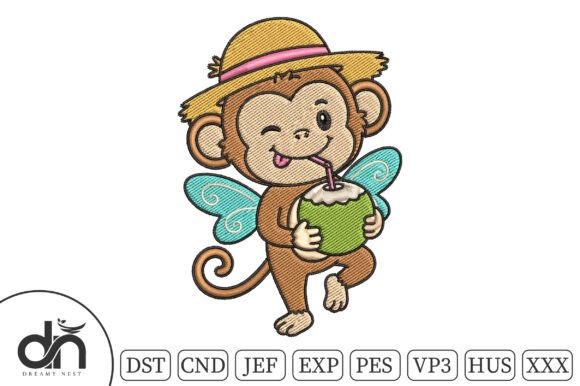
When I first opened the file to inspect the layout, the visual personality was undeniable. It isn't just a monkey; it is a character with a story. The composition suggests a playful narrative that fits perfectly into the Animal Quotes category without needing heavy text to carry the weight. For an embroiderer, the first question is always: does this translate well from screen to fabric? The answer here is a qualified yes, provided you understand where this design belongs in your workflow.
Real-World Application: The Boutique Tote Bag Scenario
To truly evaluate this design, we need to move beyond the digital preview and imagine it on physical products. Let's say I am preparing a custom order for a local summer market or an Etsy shop specializing in handmade gifts. My goal is to create a unique tote bag design that screams "vacation vibes" without looking mass-produced.
I decided to test the Summer Monkey Coconut Fairy Embroidery on a sturdy canvas tote. The result was striking. The central figure sits naturally on the flat surface of the bag, creating a focal point that draws the eye immediately. Unlike dense, boxy designs that can make fabric look stiff, this piece maintains a sense of lightness. Customers browsing at a craft fair would likely stop because the imagery feels handcrafted and approachable. It transforms a simple accessory into a conversation starter.
The design also works exceptionally well for baby embroidery. Imagine this motif stitched onto a onesie or a muslin blanket for a baby shower gift. The soft, whimsical nature of a coconut fairy monkey appeals to parents looking for something gender-neutral yet charming. In this context, the design elevates the perceived value of the item, making it feel like a premium personalized gift rather than a generic store-bought souvenir.
Technical Performance and Stitch Clarity
From a technical standpoint, the success of any embroidery project relies on stitch density and the balance between different stitch types. This file appears to utilize a mix of satin stitches for outlines and fill stitches for the main body, which helps define the shape of the monkey and the coconut shell effectively. However, as an experienced reviewer, I must point out where caution is needed.
If you are planning to use this for custom apparel like sweatshirts or t-shirts, the size matters significantly. On a larger garment, the details hold up beautifully. But if you attempt to shrink this down for a small patch or a cap front, you risk losing definition. Small running stitches or intricate details in the fairy wings could become muddy or merge together if the hoop size is too tight or the fabric texture is too coarse. Always test the design on scrap fabric before committing to a final product.
Another critical factor is thread color contrast. The tropical theme relies on vibrant greens, browns, and skin tones. If you choose thread colors that are too similar in value, the image will flatten. Conversely, using high-contrast threads can make the design pop against dark backgrounds, though you must ensure the underlay is sufficient to prevent the fabric from showing through. For commercial embroidery, consistency is key; you want every batch of hats or aprons to look identical, so mastering your stabilizer choice is non-negotiable.
Where to Use It (And Where to Think Twice)
This design is versatile, but it is not a universal solution. It shines on stable, woven fabrics like cotton twill, denim, and canvas. These materials provide the necessary structure to support the stitches without puckering. However, there are scenarios where this embroidery file might struggle.
- Stretchy Fabrics: Avoid jersey or lightweight knits unless you use heavy-duty stabilizers. The tension required for the fill stitches could distort the fabric, ruining the fit of a t-shirt or leggings.
- Curved Surfaces: While caps are popular, the curvature can sometimes compress the top part of the design. A flatter area on a hat brim or a shoulder panel is safer.
- Small Hoop Sizes: If you are working with a 4x4 inch hoop or smaller, the detail level of the fairy elements might be lost. Stick to larger placements for maximum impact.
- High-Wash Items: For kitchen towels or items that undergo frequent washing, ensure the stitch density is high enough to withstand abrasion. Lighter designs may fray over time if not anchored properly.
Visual Appeal and Brand Consistency
In the world of Etsy sellers and small business owners, visual appeal is everything. A high-quality finished product builds trust and encourages repeat customers. The Summer Monkey Coconut Fairy Embroidery offers a distinct aesthetic that can help differentiate your brand from competitors selling generic floral or geometric patterns.
When used correctly, this design adds a layer of professionalism to your offerings. It suggests that you care about the details, from the selection of the design to the quality of the thread. For example, pairing this motif with complementary Animal Quotes text can create a cohesive collection for a summer line. The whimsical nature of the fairy element balances the cuteness of the monkey, creating a design that feels curated rather than random.
For digital product sellers creating printable mockups, this design is a strong asset. It translates well into digital previews, allowing buyers to visualize the end result clearly. When showcasing your design assets on social media, the bright, summery colors of this embroidery tend to perform well, grabbing attention in a crowded feed.
Practical Designer Notes for Success
Before you hit the "Start" button on your machine, there are a few steps every professional takes to ensure a flawless outcome. First, always check the licensing terms. Are you allowed to sell finished items made with this design? Confirming this prevents legal headaches later.
Second, review the stitch density. If the design looks overly dense in the center, consider adjusting the settings or reducing the number of layers to prevent needle breakage or fabric stiffness. Third, test the design in black and white mockups. Sometimes, colors hide poor contrast, but a grayscale view reveals if the shapes are distinct enough.
Finally, inspect the small details. Look closely at the edges of the fairy wings and the contours of the coconut. Are they clean, or do they show jagged lines? If you notice issues, adjust your tension or switch to a higher quality thread. Using proper stabilizer is also crucial; a tear-away or cut-away backing will make the difference between a floppy, amateur-looking item and a crisp, boutique-quality piece.
The Summer Monkey Coconut Fairy Embroidery is more than just a cute image; it is a tool for creating memorable handmade products. Whether you are crafting a holiday gift, launching a new line of sweatshirt embroidery, or adding flair to your craft business merchandise, this design offers a reliable foundation. By respecting its technical requirements and understanding its best use cases, you can turn a simple digital file into a stunning physical reality that customers will love.